

Minab School Strike
When Khamenei died, the derivations wrote themselves

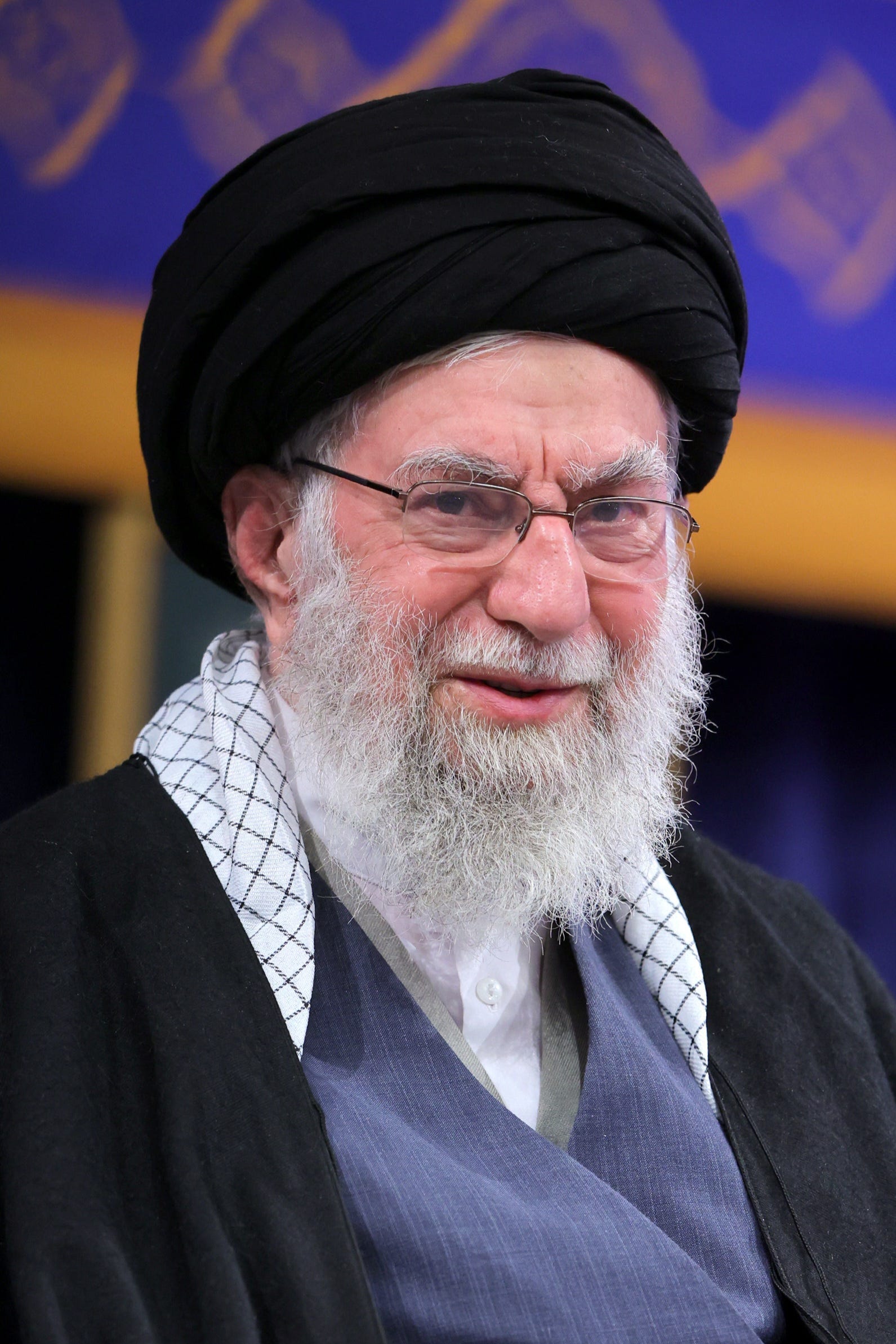
Ayatollah Ali Khamenei was killed on February 28, 2026, in a joint US-Israeli airstrike on Tehran. Within hours, Iranians poured into the streets, playing music from windows. These were the people who lived under Khamenei’s rule for 36 years — women beaten for showing hair, families who lost children in the Mahsa Amini crackdowns, dissidents who survived his prisons. They were celebrating.
Mahsa Amini was a 22-year-old Kurdish woman who died in morality police custody in 2022 for allegedly wearing her hijab improperly, sparking months of nationwide protests under the slogan “Woman, Life, Freedom.”
At the same time, in parts of India, Pakistan, and Iraq, Shia Muslims held mourning prayers. In Baghdad, protesters tried to storm the US embassy. On Western social media, segments of the progressive left began drafting their positions: sovereignty, international law, imperialism.
The contradictions are too glaring to ignore. People who never lived a day under Khamenei mourn him. Progressives who championed Iranian women’s rights grieve the man who crushed those rights. Anti-imperialists defend the sovereignty of a leader who never allowed his own people sovereignty over anything.
The Shia mourners in India are not failing to process Khamenei’s human rights record. Something older is at work: group belonging, sectarian identity, the feeling that the highest Shia authority in the world was assassinated. The grief arrived before any argument. The arguments came later, to dress it in respectable clothes. Sovereignty. International law.
For a believer, it is not politics. It is the ground beneath your feet disappearing.
The progressive left isn’t being hypocritical either. Their opposition to Western military power is older and deeper than their position on Iranian women’s rights. When those two commitments collide, the deeper one wins.
The celebrating Iranians aren’t making a geopolitical argument. What moves through them is survival, relief. It’s a body responding.
Khamenei’s record hasn’t changed. He was the same man on February 27 as on March 1. But now he needs to be a martyr for some and a tyrant for others. The facts are selected to fit the need, not the other way around. Same biography. Different formations. The justifications are professionally done.
Vilfredo Pareto argued that human action springs from non-logical sources. Residues are the deep drives — instincts for preservation, for group belonging, for maintaining what exists. Derivations are the elaborate justifications we construct afterward.
The mourning is a residue. The celebration is a residue. The outrage about imperialism is a residue. The satisfaction at a dictator’s fall is a residue.
But Pareto’s cage holds the observer too.
Minab School Strike.
In the same strikes that killed Khamenei, 108 people died at the Shajareh Tayyebeh girls’ school in Minab. That fact should make everyone pause. It doesn’t fit neatly into any framework.
The celebrators don’t want to dwell on it because it complicates their relief. The mourners fold it into their outrage but would not have mourned those same girls if Khamenei’s security forces had killed them in a protest crackdown. His forces have killed others before.
This is where justifications reveal themselves most clearly, not in what they include, but in what they quietly set aside.
Writing this piece is painful, especially now. But not speaking it makes being inside the cage more unbearable. Sometimes you wonder if international law and humanity themselves are derivations. That gives chills down the spine.